Many travelers search for “masai mara safari what happens in rain” before booking a Kenya trip. It is a fair question, and the honest answer is encouraging. Rain in the Mara rarely ruins a safari. The reserve stays open, game drives usually continue, and wetter months bring greener scenery, fewer visitors, and lower rates. This article explains what happens on a rainy game-drive day, from muddy tracks and camp access to wildlife and packing choices.
Masai Mara Safari What Happens in Rain: Does It Rain All Day?
Usually, no. The short rains in October to December often arrive as brief afternoon or evening showers, leaving mornings clear for game drives. The long rains from March to May are less predictable. April can bring several hours of rain, although clear windows may still appear early in the day.
Most rain in the Mara comes in bursts, not steady drizzle. A wet morning can clear by lunch, and a cloudy afternoon can end with a short storm. The bigger factor is which season you visit. The short rains are lighter and easier to plan around. The long rains, especially April, are heavier and more likely to disrupt travel. Even in April, many days start dry enough for an early drive. A flexible itinerary makes a difference, because rain patterns change day to day.
What Happens to Game Drives When It Rains?
Game drives normally continue if conditions are safe, but your driver may shorten a route, wait out a downpour, or avoid a waterlogged track. Early drives are often least affected because rain commonly develops later, while heavy storms can delay departures, slow vehicle recovery, and reduce visibility temporarily.
Safari vehicles in the Mara are mostly open, so comfort is the main issue. A driver can put up a roof cover, but wind and spray still reach passengers. Most drivers keep a close eye on the sky. If rain is coming, they may adjust the route to stay on firmer ground. Rain can also be good for wildlife viewing. Lions are sometimes more active on overcast days, and elephants may gather near water sources. The animals do not disappear when it rains, but your driver’s caution still shapes the day.
Are Masai Mara Roads Passable in the Rain?
Main access routes and many internal tracks usually remain usable in light or short-rain conditions, but black-cotton soil becomes slippery, sticky, and difficult after sustained rain. Remote tracks, camp driveways, and river crossings are the main risks; vehicles can get stuck, and transfers may take much longer.
Mara roads are mostly dirt, and the soil type matters. Black-cotton soil is hard and firm when dry, but heavy rain turns it into a thick mud that can pull at tires. The main access routes from Sekenani Gate, Talek Gate, and Oloolaimutia Gate are usually better maintained than small internal loops. The Mara Triangle, on the western side of the reserve, is managed separately, and its roads are often in good condition. Conservancies outside the reserve also manage their own tracks. A camp a short distance from the main road may be harder to reach than one in an area with better drainage. Allow extra transfer time during the long rains.
How Does Rain Affect Wildlife and Photography?
Rain turns the Mara green, refreshes grazing, and can make predators and other animals more active once temperatures cool. The wetter months also bring young herbivores and strong birding opportunities. For photography, storms create dramatic skies and reflections, but mist, muddy spray, and low light can reduce visibility.
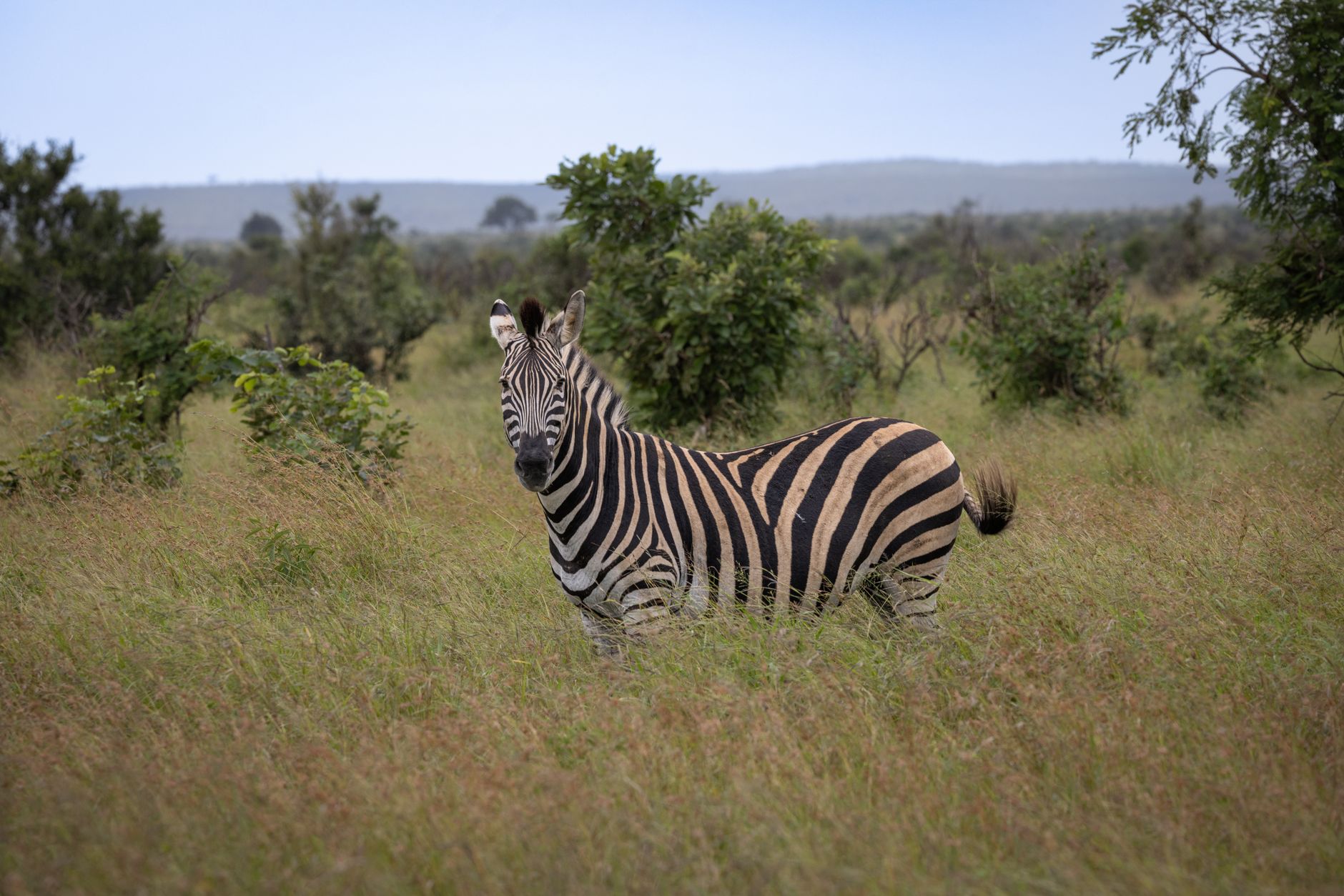
The green season is the name Kenya travelers often use for these months, and it fits. Fresh grass supports large numbers of resident herbivores, from zebras and gazelles to buffalo and elephants. The big predators stay in the Mara all year. Lions, leopards, and cheetahs may hunt more readily when the heat breaks. Birds are another highlight, because water attracts many species. Photographers get moody skies and wet colors, but they also need protection. A weather-sealed camera body, a rain cover, and a dry bag are worth their weight. Keep your gear clean because mud spray finds its way into everything.
What Are the Long and Short Rainy Seasons?
The long rains generally run from March through May. April is usually the wettest month, with the greatest risk of muddy roads or temporary camp closures. The short rains usually arrive from October through December and are lighter, more intermittent, and generally easier for safari logistics.
Here is a quick overview of what to expect.
| Season | Months | Typical Rain Pattern | Road Risk | Safari Experience |
|---|---|---|---|---|
| Long rains | March to May | Heaviest in April, with rain possible for several hours | Higher, especially on black-cotton tracks | Green scenery, fewer visitors, lower-season rates |
| Short rains | October to December | Brief showers, often in the afternoon or evening | Moderate, with some muddy sections | Lush landscape, good birding, manageable drives |
| Dry season | June to September and January to February | Little rainfall | Low | Peak wildlife viewing, more crowds, higher rates |
Travelers who want fine weather without peak crowds often book in the Masai Mara shoulder season. The shoulder months sit between the main dry season and the wettest weeks. If you are still choosing between destinations, a Masai Mara versus Samburu safari comparison helps, because the two parks have very different rainy-season personalities.
What Should You Pack for a Rainy Masai Mara Safari?
Pack a waterproof jacket, quick-drying layers, trousers, waterproof or easily cleaned shoes, spare socks, and a dry bag or rain cover for cameras and phones. Early mornings can be cold even in the wet season, so include warm layers. Avoid relying on umbrellas, which are awkward in open safari vehicles.
Layers are the key. The early morning drive can be cool, especially under cloud, but the middle of the day can still feel warm. Choose a waterproof shell that fits over a fleece. For your feet, light hiking shoes that dry quickly are better than heavy boots. A pair of sandals for camp is fine, but keep them out of the mud. Bring a daypack with a rain cover for extra clothes and electronics. Some travelers add a small towel and a change of socks. You do not need a full winter wardrobe, but you do need to stay dry between showers.
Do Camps Close During the Rainy Season?
Some seasonal mobile and tented camps close during the heaviest long rains for access, maintenance, or staff leave, while many permanent lodges remain open year-round. Confirm the exact camp before booking, especially for April and May, and ask whether its access road remains usable after heavy rain.
Camp closures vary by location and ownership. A permanent lodge on well-drained ground may stay open through the long rains. A mobile camp on a riverbank might close because the access road becomes risky or the site needs time to recover. Some camps close in November as well, although that is less common than April and May closures. The best approach is to ask before you pay. If a camp cannot confirm its road and vehicle access, treat that as a warning. For travelers who want a different wet-season option, the Ol Pejeta versus Masai Mara comparison is useful. It can highlight why a private conservancy may be easier to reach.
What Do Travelers Ask Most About Rain in the Masai Mara?
Planners have the same recurring questions before booking. These are the direct answers.
Does it rain all day in the Masai Mara?
Not usually. Short rains often fall in brief afternoon or evening showers, while the long rains can be heavier and last for several hours, especially in April. Morning game drives may still take place during either season.
Can you go on safari in the rain?
Yes, provided road and weather conditions are safe. Drivers may continue in light rain, change routes, or pause during a severe downpour. Rain can also produce greener scenery, dramatic photographs, and increased wildlife activity.
Are Masai Mara roads passable during the rainy season?
Many main roads remain passable, particularly during the short rains, but heavy rain can turn black-cotton soil into deep mud. Remote tracks and camp access roads are most vulnerable, and journeys may take longer or require vehicle recovery.
Is Masai Mara worth visiting in the rainy season?
Yes, if you value fewer visitors, greener scenery, lower-season rates, birdlife, and active resident wildlife. April and May carry the greatest risk of muddy roads and camp closures, while the short rains usually offer a more manageable compromise.
What animals can you see in the Masai Mara during the rainy season?
Resident lions, leopards, cheetahs, elephants, buffalo, giraffes, hippos, and many other species remain in the Mara during the rains. Fresh grass can attract herbivores and young animals, while cooler conditions may encourage predator activity.
Where Can You Compare Rainy Season Safari Packages?
Rain should not stop you from planning a trip, but the right operator matters more in the wet season. A good safari company will tell you which camps stay open, what the access roads look like, and what to expect on game drives. To browse options, compare safari operators such as FindMySafari, Valley Safaris, or Trunktrails Safaris. Ask about wet-season policies, read the fine print, and choose a package that fits your comfort level.
Where Can You Find More Safari Planning Resources?
- Best time to visit Kenya map from SafariPure
- Best time to visit Kenya from Trunktrails Safaris
- Best time to visit Kenya month-by-month map from Valley Safaris
- Masai Mara destination guide on FindMySafari